
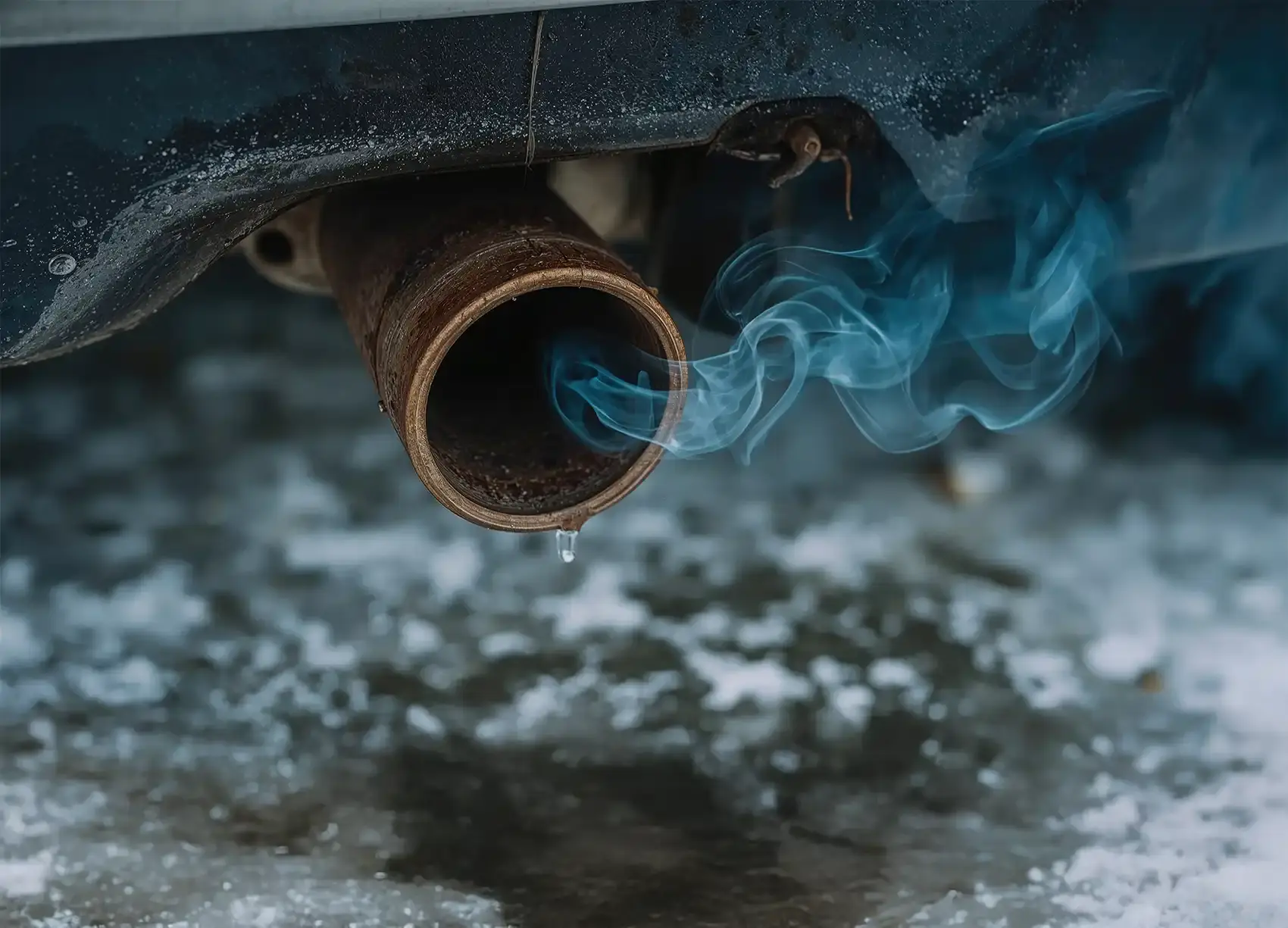
When temperatures drop, many drivers wonder: should you warm up your car in winter before hitting the road — or just start driving right away? The answer isn’t as simple as it used to be.
Modern engines are built differently from older ones, and your car’s performance, efficiency, and even safety can depend on how you start it during cold weather. Understanding the right car warm up in winter technique can help you extend engine life, improve fuel economy, and keep your vehicle in top shape.
Why Cars Need Attention in Cold Weather
Winter weather affects multiple components in your vehicle — from your battery and engine oil to your transmission and tires. When you start your car cold, thickened oil struggles to circulate quickly, and metal components expand at different rates.
That’s why it’s important to know the best way to start your car in cold weather — balancing modern technology with winter care best practices.
Here’s what cold weather can do to your car:
- Engine oil thickens, reducing lubrication
- Battery output drops, making starts harder
- Tires lose pressure, affecting traction
- Fuel economy decreases, especially in sub-freezing temperatures
- Moisture buildup can lead to foggy windows and corrosion
Should You Warm Up Your Car in Winter?
In older vehicles, warming up the engine before driving was essential. Carbureted engines needed extra time to reach optimal temperature for smooth fuel-air mixing. But most modern cars have fuel-injected engines, which automatically adjust air and fuel ratios — meaning long warm-ups aren’t necessary.
So, what’s the right approach?
| Vehicle Type | Recommended Warm-Up Time | Why It Matters |
| Modern fuel-injected vehicles | 30 seconds to 1 minute | Allows oil to circulate properly before driving |
| Older carbureted engines | 3–5 minutes | Prevents stalling and ensures stable idle |
| Hybrid/electric vehicles | No idle warm-up needed | Systems precondition battery and cabin automatically |
In most cases, idling your car for more than a minute wastes fuel, contributes to carbon buildup, and can even harm engine performance.
The Best Way to Start Your Car in Cold Weather
Here’s a simple, expert-approved routine from ER Autocare technicians to keep your car winter-ready:
1. Start the Engine Gently
-
- Turn the key (or push-start) and let the engine idle for 30–60 seconds.
- This brief car warm up in winter lets oil circulate through critical engine components.
2. Drive Slowly After Start-Up
-
- Avoid high speeds or hard acceleration for the first 5–10 minutes.
- Gentle driving helps warm up the transmission, suspension, and tires more efficiently than idling.
3. Use the Defroster Wisely
-
- Turn on the defroster and seat warmers after 30 seconds.
- Overusing them immediately after start-up strains the battery and alternator.
4. Don’t Rev the Engine
-
- Revving a cold engine forces thick oil through tight components — increasing wear and tear.
- Keep RPMs low until the temperature gauge starts to move upward.
5. Keep Your Fuel Tank Half Full
-
- Prevents condensation buildup in cold temperatures.
- Reduces risk of frozen fuel lines in extreme conditions.
Common Myths About Warming Up Your Car
Many long-standing myths about car warming up in winter still circulate among drivers. Let’s clear up a few:
| Myth | Fact |
| “You should idle your car for 10 minutes before driving.” | Modern engines only need 30–60 seconds of idling before gentle driving. |
| “Warming up saves fuel.” | Idling actually wastes fuel and increases emissions. |
| “Cold starts are bad for engines.” | True only if you rev or drive hard immediately after starting. Gentle driving is perfectly safe. |
| “Electric cars need warm-ups too.” | Not true. EVs precondition the battery automatically. |
Why Long Idling Can Do More Harm Than Good
Idling your car for extended periods can have unintended consequences:
- Wastes fuel: A 10-minute idle can burn up to ⅕ gallon of gas.
- Increases engine wear: Combustion residue builds up faster at low RPMs.
- Pollutes the air: Produces unnecessary CO₂ emissions.
- Can drain your battery: Especially if heaters or defrosters run continuously.
If your goal is to protect your engine and save fuel, short warm-ups followed by gentle driving are the way to go.
When Is a Longer Warm-Up Needed?
In extremely cold climates (below 0°F), your car might need a bit more time. Consider these extra steps:
- Use a block heater overnight to pre-warm your engine oil.
- Park in a garage to reduce exposure to freezing temperatures.
- Warm up for 2–3 minutes max before driving in subzero conditions.
- Check your antifreeze and ensure your heater is working properly.
Even then, the best way to start your car in cold weather is still to begin driving gently rather than idling endlessly.
Table: Warm-Up Best Practices by Temperature Range
| Temperature Range | Recommended Warm-Up | Driving Tips |
| 40°F – 60°F | 30 seconds | Gentle driving for 5 minutes |
| 20°F – 40°F | 1 minute | Avoid revving until engine warms |
| 0°F – 20°F | 2 minutes | Use defroster gradually |
| Below 0°F | 3–4 minutes | Use block heater if available |
Quick Tips for Winter Car Care
To get the most from your vehicle in winter, ER Autocare recommends:
-
- Check your battery: Cold weather reduces battery power by up to 30%.
- Inspect your tires: Maintain proper tire pressure for traction.
- Monitor coolant and antifreeze levels.
- Get an oil change using winter-grade oil.
- Schedule regular inspections to avoid cold-weather breakdowns.
For more insights, you can also read our blog on winter car battery problems and engine cooling system repairs.
When to Call a Professional
If your car struggles to start or stalls frequently during cold weather, it’s time to visit a professional. Issues like weak batteries, thickened oil, or a malfunctioning thermostat can worsen in winter.
ER Autocare’s certified technicians can help diagnose cold-start issues, optimize your car’s warm up in the winter, and ensure your engine stays protected in low temperatures.
Conclusion
The best approach to car warm up in winter is simple — short idle, gentle start, and steady driving. Modern engines don’t need long idling times; in fact, they perform better when driven sooner.
By following the best way to start your car in cold weather, you’ll save fuel, reduce emissions, and extend your engine’s life.
For expert winter car care, trust ER Autocare — your local specialists in keeping vehicles running efficiently no matter the season. Schedule your winter inspection today and stay road-ready all season long.
