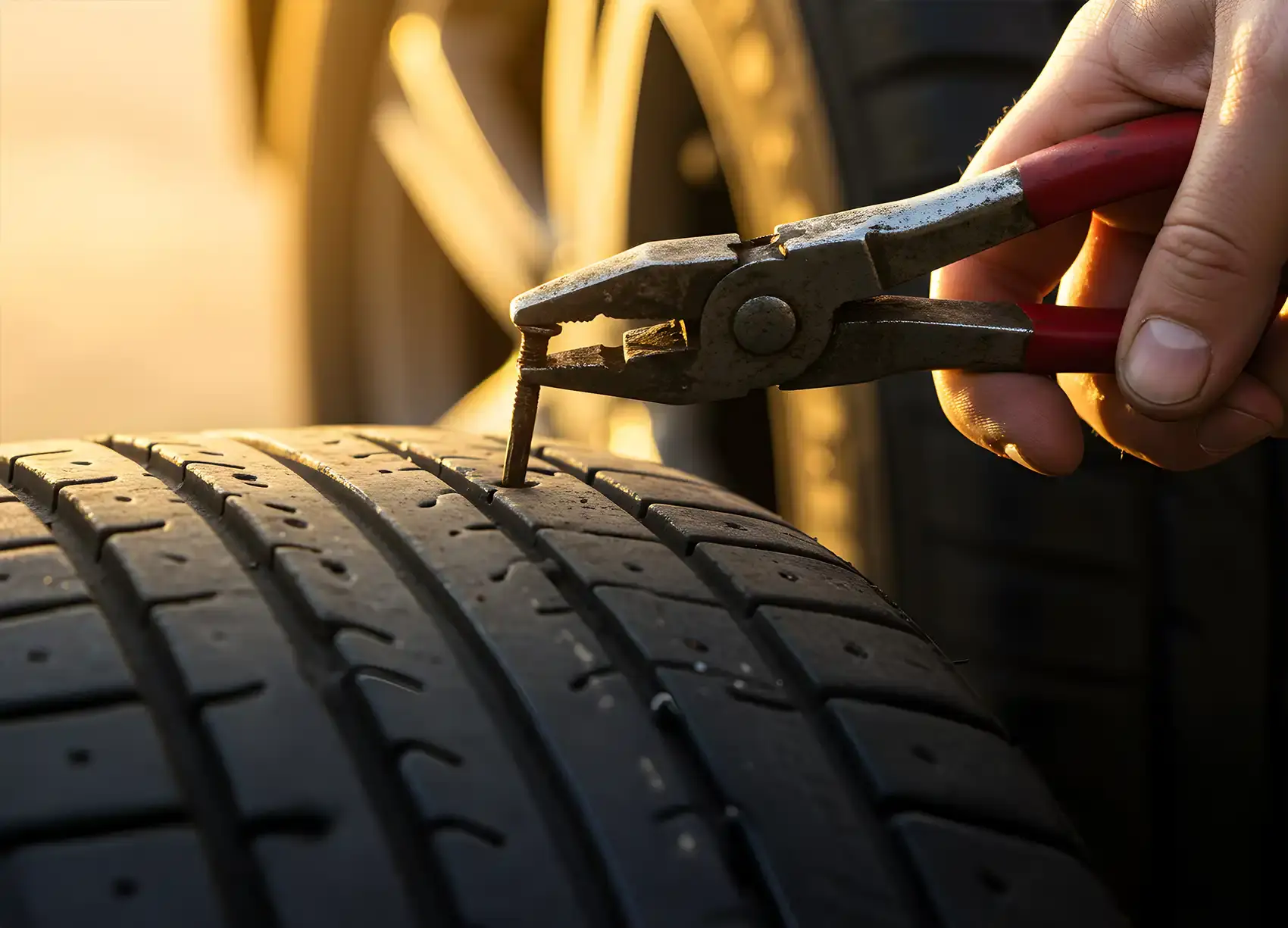
Finding a nail stuck in your tire can feel like a small disaster — especially when you’re in a rush. The big question drivers ask is: “Do I need a new tire if I have a nail in it?” The good news?
When temperatures drop, car maintenance for winter becomes critical. Cold weather affects everything from your engine to your tires, and without preparation, small issues can turn into major breakdowns.
When temperatures drop, many drivers wonder: should you warm up your car in winter before hitting the road — or just start driving right away? The answer isn’t as simple as it used to be.
A vacuum leak in your car can cause a range of problems, from poor fuel efficiency to engine performance issues. Understanding how to fix a vacuum leak in a car and identifying the signs early can save you from costly repairs and improve your vehicle’s reliability.
A fuel filter plays a critical role in protecting your engine by trapping dirt, debris, and contaminants from reaching the fuel injectors and engine components. Over time, fuel filters can become clogged, reducing fuel flow and causing a range of performance problems.
Regular oil changes are essential for your vehicle’s engine health, but did you know they can also impact your car’s heating and cooling system? Many car owners notice performance issues like a car AC not working after oil change or car heating issues after oil change, which can be linked to how engine oil affects the overall operation of your vehicle.
When you press the gas pedal at a red light and your car sputters or hesitates instead of moving smoothly, it’s not just frustrating — it’s a sign something’s wrong. A car sputter at red lights when accelerating can be caused by several underlying issues that affect your vehicle’s performance, safety, and fuel efficiency.
Getting an oil change is one of the simplest yet most effective ways to maintain your vehicle. But what if you start noticing car engine failure symptoms shortly after an oil change?
A smooth and safe drive depends on more than just healthy tires and brakes—your car’s wheel alignment plays a major role too. Many drivers ignore subtle car wheel alignment symptoms until they turn into costly repairs.
Your car’s cooling system plays a crucial role in keeping the engine at the right temperature. Over time, coolant (also called antifreeze) breaks down, becomes contaminated, and loses its ability to regulate heat properly.


 Post By ER Auto CareTips